

Is It Normal Aging or Mold?
Have you noticed your skin getting dry and scaly? Maybe your chin is starting to look like your grandmother’s, or you’ve developed sudden digestive issues and joint pain. Most people assume this is just part of getting older, but it may not be normal aging at all.
Infections like mold produce mycotoxins that rapidly increase the aging process and cause many of the diseases we typically associate with old age. These mold infections can enter the body through food, the eyes, or simply by breathing the air in water-damaged buildings. According to research on ScienceDirect, studies show that mycotoxins greatly increase the biomarkers of aging. In other words, if you have a mold infection, you may be aging faster as a result.
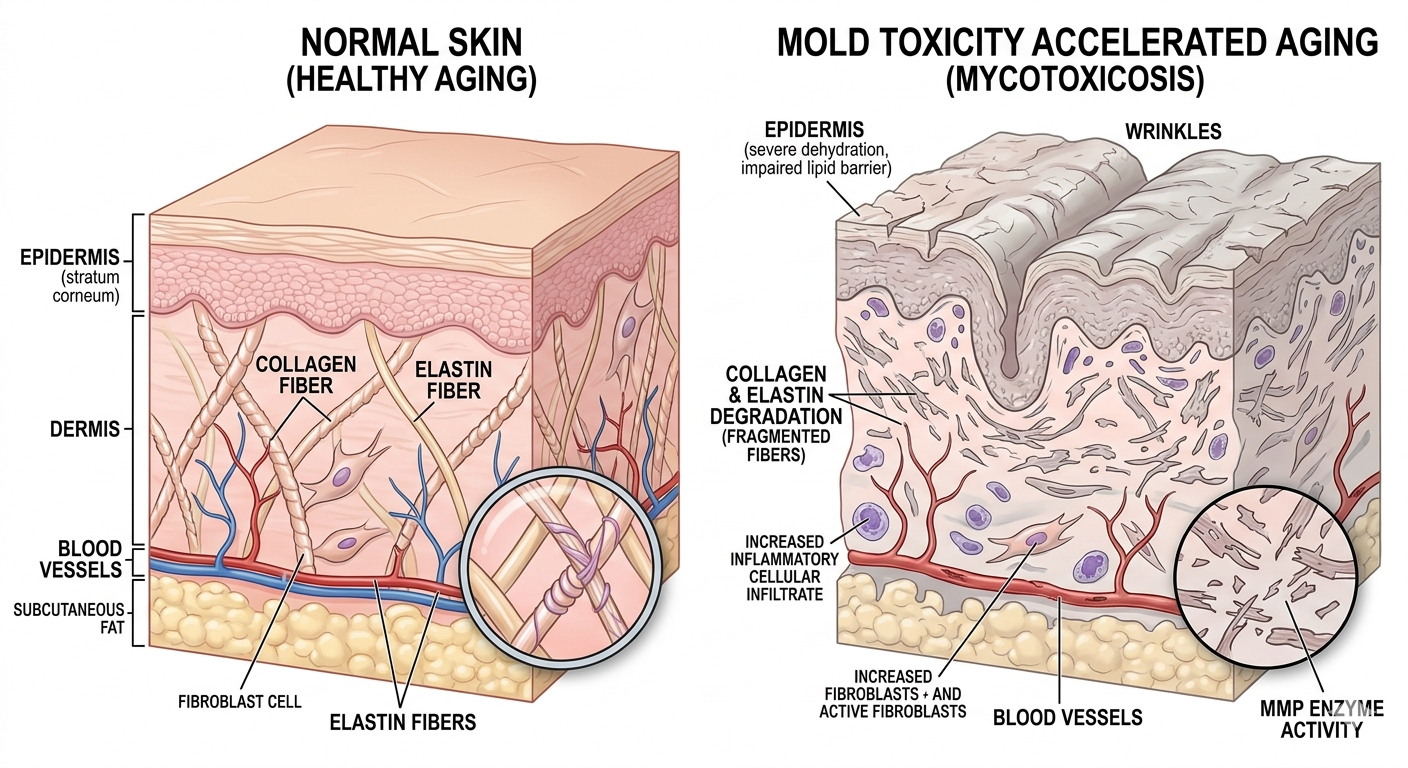
Wrinkles Is it a normal wrinkle or is it mold? Mycotoxins have several mechanisms that damage the skin. They prevent the production of keratin, collagen, and other youth-preserving proteins that keep skin soft and supple. The resulting increase in inflammation depletes the body’s antioxidants, thinning the skin and making it vulnerable to sun spots, rashes, and rosacea.
HAIR LOSS AND AGING
The systemic inflammation caused by mycotoxins directly damages melanocytes. These are the cells responsible for your hair color. When these cells are compromised, you may see premature greying.
Additionally, mold toxins cause significant inflammation of the scalp. This process can damage hair follicles until they stop functioning entirely. It also lowers healthy circulation to the scalp, which starves the hair of what it needs to grow.
Finally, mold often prevents the body from absorbing vital nutrients. Without these vitamins and minerals, your hair follicles cannot stay healthy. What looks like “old age” thinning is often just a body struggling to thrive under a toxic load.
Mold and Dental Health
Mold exposure can also lead to an increase in dental cavities and tartar buildup. This often triggers low-grade dental infections. These infections can move through the thin layer of the gums and enter the bloodstream directly.
Once in the blood, dental caries can trigger constant inflammation throughout your entire body. This is a serious concern because dental infections have long been linked to various cancers and heart disease. If you are struggling with persistent dental issues, it may be a sign that your body is fighting a larger toxic burden.

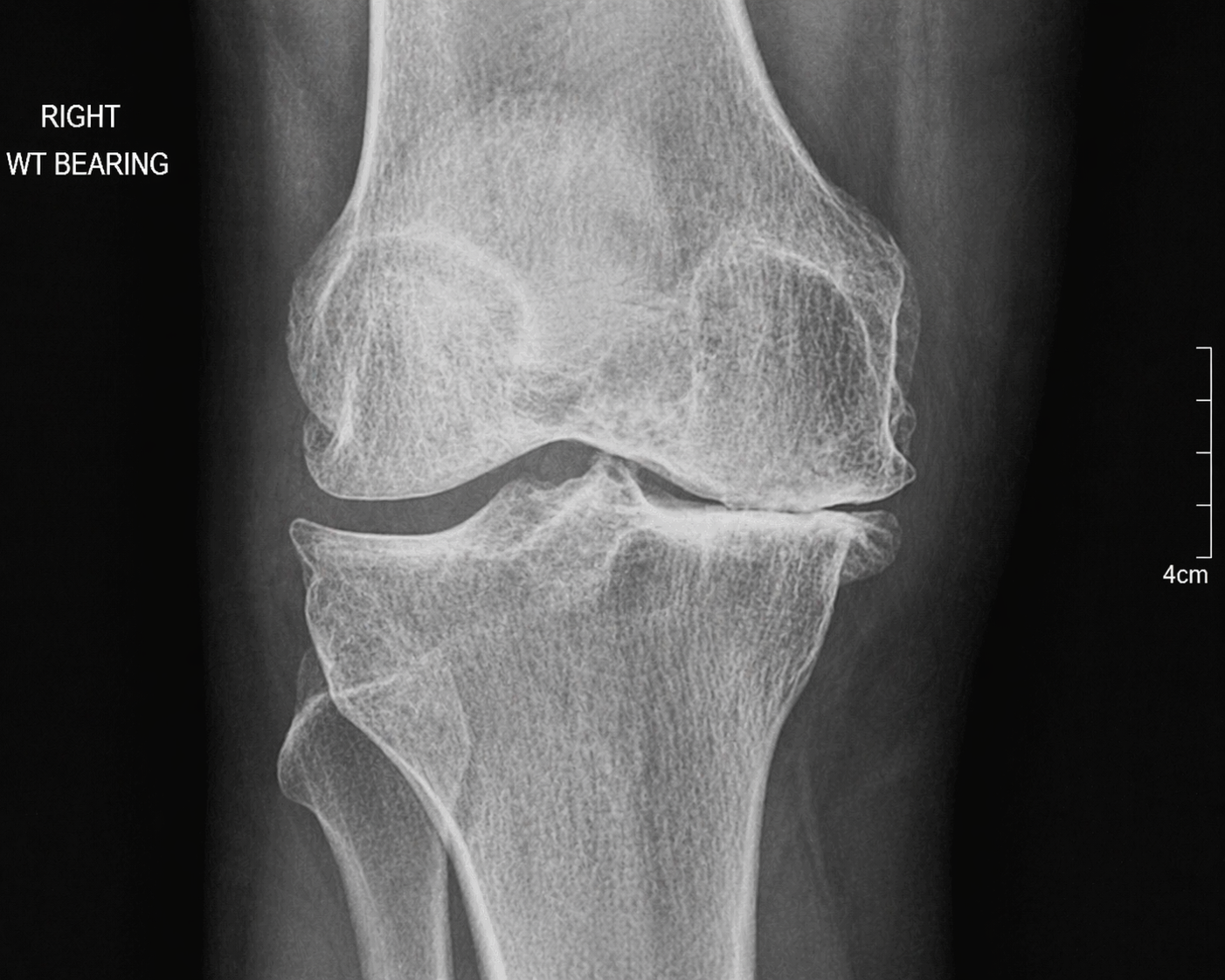
Have you been told you need a joint replacement, or that you have the knees of an eighty-year-old?
Many people are getting joint replacements in their fifties and sixties. It is so common for doctors to just call it “early arthritis,” but we have to ask why that cartilage is disappearing so fast. When you have been exposed to mold, the toxins can settle in your synovial fluid—which is the “grease” that keeps your joints moving smoothly. It’s like putting salt water into a car engine; it creates a highly acidic environment that literally corrodes your cartilage. Since cartilage doesn’t have its own blood supply to wash those toxins away, they just sit there and eat away at the joint until you’re left with that painful, bone-on-bone friction. Hip and knee preplacements act as a great home for more toxins and can increase overall inflammation.
“Some mycotoxins may trigger inflammatory pathways involved in cartilage damage and joint destruction.” pubmed
MYCOTOXINS CAN CAUSE CARDIOVASCULAR DISEASES
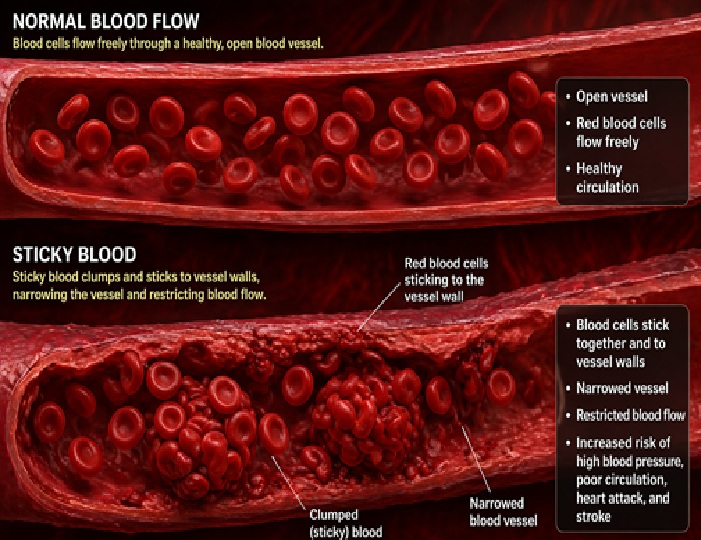
Mold has several mechanisms throughout the digestive system that can lead to significant cardiovascular compromise. Toxic mold molecules can escape through a leaky gut or compromised oral cavity directly into the bloodstream. These molecules can damage blood vessels, triggering inflammation and causing blood cells to stick together. If left unchecked, this may increase blood pressure and decrease microcirculation, reducing blood flow to the extremities and, in some cases, vital organs. This increased blood viscosity may contribute to the risk of heart attack or stroke.
Diabetes and blood sugar disorders
The onset of diabetes is often associated with aging, but is that always the case? Mold toxins such as ochratoxin A are known to disrupt the brain’s signaling of fullness, which can leave you feeling constantly hungry and craving sweets. Deoxynivalenol, a toxin commonly found in contaminated grains, can cause significant hormonal disruption that may impair metabolism. Some mycotoxins can also affect the thyroid gland, slowing metabolic function.
In some cases, the body is unable to eliminate these toxins effectively, and they may be stored in fat cells, making weight loss difficult.
Digestive symptoms such as heartburn and constipation
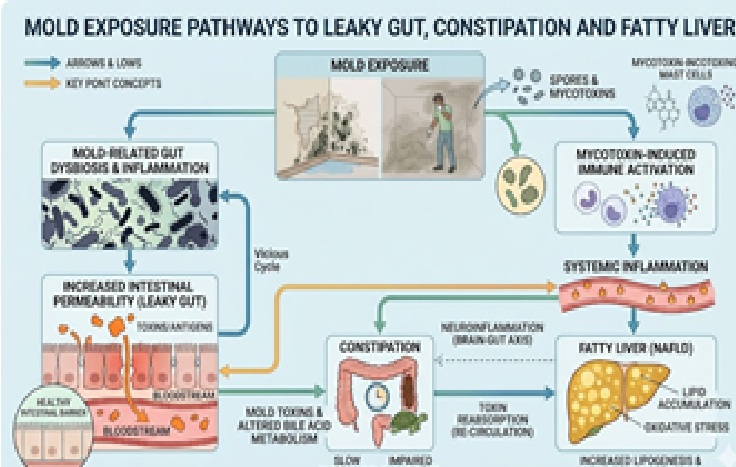
Micotoxins wage war on the digestive system. As these toxins accumulate, they can damage the digestive system, contributing to gas, heartburn, SIBO, constipation, fatty liver, and increased intestinal permeability, often referred to as “leaky gut.” This can allow toxins and undigested food particles to enter the bloodstream, potentially leading to further imbalance and weight gain. Leaky gut is a known major contributor to autoimmune disease.
NORMAL FORGETFULNESS OR SOMETHING MORE?
Symptoms like forgetfulness, tremors, and nerve pain, Parkinson’s disease and much more may be linked to mold exposure. Mold toxins can affect the nervous system in several ways, including damaging mitochondria—the energy source of nerve cells. As these cells lose energy, dysfunction can worsen over time. Mold can also break down the protective myelin sheath around nerves, further disrupting nerve communication and leading to neurological symptoms.
Mold exposure may also worsen menopausal symptoms
Mycotoxins can potentially contribute to vaginal dryness, decreased bone density, and reduced overall quality of life. Many symptoms commonly attributed to aging may have overlapping causes, including environmental factors such as mold exposure. The financial burden of managing these symptoms with ongoing medications can be significant over time. Many functional medicine specialists suspect unhealthy vaginal flora is causative in the development of throat cancers in sex partners.
“Exposure to fungal toxins can significantly weaken the mucosal barrier. By degrading the tight junction proteins that hold epithelial cells together, mold exposure may leave delicate tissues more vulnerable to inflammation and secondary infections—a process that mirrors and potentially exacerbates the thinning seen in vaginal atrophy.” (Derived from: Brown et al., 2021)
SEVERE KIDNEY DAMAGE
It seems like kidney transplants are becoming common. Yes, molds like Ochratoxin A and Aflatoxin found in water-damaged buildings and certain foods can cause severe kidney damage. The kidneys, along with the liver, are major heavy lifters in purifying the body and eliminating toxins. They can become overloaded and damaged. Eliminating mold may save your kidneys and hours of dialysis. Mycotoxins often produce oxalates that accumulate in the kidneys and other parts of the body, contributing to kidney stones.
NIGHT BLINDNESS AND VISION CHANGES
Black mold is particularly harmful when it comes to your vision. Mold spores can enter through the eyes, triggering inflammation and providing a direct pathway to the brain, where they may contribute to neurological issues and cell death. Visual changes, night blindness, dry eye, blurred vision, photophobia, eye pain, redness, blindness, double vision, and itching can all be associated with toxic mold exposure
HEARING AND BALANCE
Studies show mold can be a major cause of falls in the elderly. Mold can affect the inner ear, causing vertigo, dizziness, and lightheadedness. Inflammation of the ear is a major cause of hearing loss and ringing in the ears. This is a sign that mold may be actively causing neurological disease.
GET YOUR HEALTH BACK
If you are experiencing any of these symptoms, you must act now. You should get tested for mold before the brain fog takes over. In fact, you should probably do it today—before you forget!
You can call our office or order your test online. It is time to get your energy and your life back. Think about the trade-off. A mold test costs about the same as a trip to the hairdresser, new glasses, a hearing aid, a good wig, or a testosterone shot.
Why spend money on expensive pharmaceuticals that only mask the symptoms? You can save yourself the cost of lifelong medications by finding the root cause. Choose your mind and your health. You will be much healthier as a result.